
What Nobody Tells You About Remote Sales Careers at UPS


Navigating a High-Trust Career Path in Logistics and Remote Sales
Looking for a stable job can feel like a full-time job itself.
You scroll through page after page of openings. You see ads for FedEx careers, listings for Walmart careers, and posts for Target careers. It’s a lot of noise. How do you know which opportunity is real, which company will last, and which path offers a true future, especially in the growing world of remote work?
Here’s the thing. In 2026, the job market is more virtual and flexible than ever. A major report on the state of organizations shows that companies have moved past simply asking if they should offer remote work. Now, the focus is on building sustainable, high-performing teams in this new environment.

But for a job seeker, this shift can add another layer of uncertainty. Is this remote role legitimate? Does the company have a real structure to support me?
This is where a giant like UPS stands out. While exploring UPS careers, you’re not just looking at another job posting. You’re looking at an anchor. UPS is a publicly-traded, global logistics leader with over a century of operation. Their official reports, like their annual Proxy Statement, emphasize a long-term commitment to growth, governance, and shareholder value—principles that translate to stability for employees. They operate with a clear Code of Business Conduct that sets expectations for everyone, creating a professional and trustworthy environment.
So, what does this mean for you if you’re interested in remote sales? A massive logistics network doesn’t run on packages alone. It runs on business relationships, client accounts, and strategic growth. This creates a real need for remote sales professionals who can manage accounts, develop new business, and support customers from anywhere.
This guide is designed to cut through the clutter. We will connect the dots between UPS’s vast operations and the real, often overlooked, potential for remote sales careers within it. We’ll move past generic advice and give you a fact-based look at how to navigate this high-trust path. You’ll learn how to identify the right opportunities, understand what makes a role at a company like this different, and take actionable steps toward an application.
Let’s turn the frustration of the search into a clear strategy. Start by understanding the landscape with our guide on what nobody tells you about remote sales jobs.
It’s the first step in moving from confused to confident.
Understanding the UPS Ecosystem: More Than Delivery Drivers
When you think about UPS careers, you probably picture a person in a brown uniform delivering packages. That’s a big part of the story, but it’s not the whole book.
UPS is a massive global logistics engine. To keep it running and growing, the company needs experts in sales, customer service, and strategic partnerships. Understanding the company’s structure is the first step to finding your place in it. Unlike a retailer like Walmart or Target, UPS’s primary customer is often another business. This B2B focus is where remote sales careers are born.
Let’s break down the three main parts of the UPS machine. This will show you exactly where the customer-facing, revenue-generating roles fit.
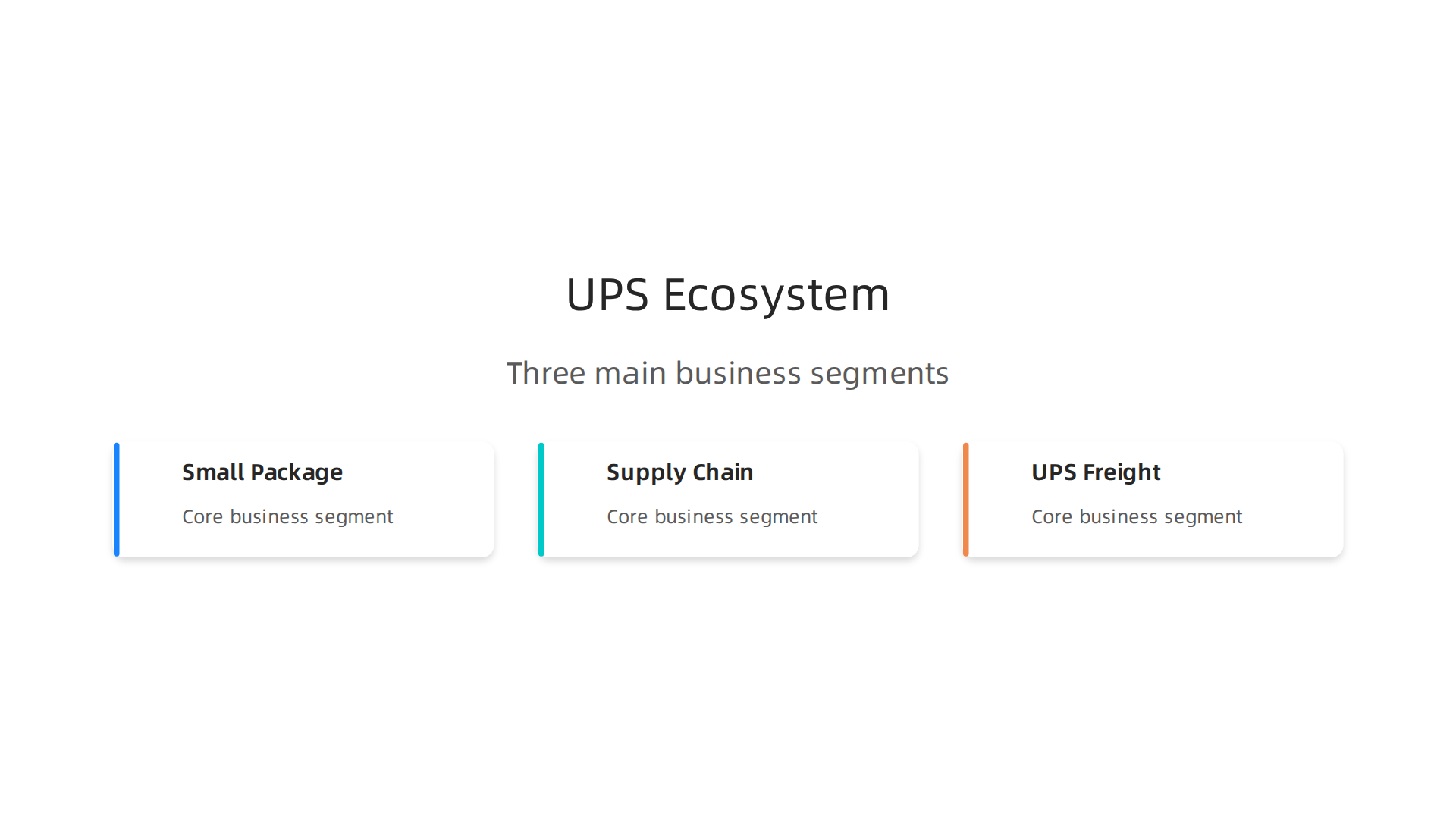
1. The Small Package Segment (The Core Engine)
This is the UPS you know best. It includes all those ground and air deliveries to homes and businesses across the U.S. and around the world. According to their official financial reports, this segment is the heart of their revenue. But it doesn’t run on autopilot.
Where sales roles come in: This segment needs teams to manage large business accounts. Think about a company that ships 500 packages a day. A Sales Account Executive or Key Account Manager works remotely with that client to optimize their shipping strategy, manage costs, and ensure service quality. They build the relationships that keep the core engine fueled.
2. Supply Chain Solutions (The Strategic Brain)
This is where UPS gets sophisticated. It’s not just about moving a box from A to B. This segment offers warehousing, inventory management, international trade services, and customized logistics for industries like healthcare. Their annual report details how these complex services drive significant value.
Where sales roles come in: Selling here isn’t transactional; it’s consultative. Strategic Sales Consultants or Solutions Architects work with companies to design entire logistics systems. These are high-trust, high-value conversations that can happen virtually. A specialist might work remotely to design a temperature-sensitive shipping network for a pharmaceutical company without ever visiting their headquarters.
3. UPS Freight (The Heavy Hauler)
This part handles less-than-truckload (LTL) freight—palletized goods and larger shipments that don’t fit in a small package envelope. It’s a competitive space with companies like FedEx Freight.
Where sales roles come in: This segment requires sales professionals who understand freight rates, shipping lanes, and industrial needs. Freight Sales Representatives develop business by connecting with manufacturers, distributors, and retailers who need to move larger quantities of goods. Much of this relationship-building and account management can be done effectively from a remote office.
The company’s own Code of Business Conduct frames the professional environment for all these roles, emphasizing integrity and customer focus. This scale and segmentation create a clear need for sales talent. The modern workforce model, as highlighted in research on the state of organizations, supports this, showing a 2026 focus on building effective hybrid and remote teams.
So, when you explore UPS careers, look beyond the truck. You’re looking at a vast network of business relationships that needs skilled professionals to grow and maintain it. Ready to translate this understanding into action? Your next step is to learn how to spot these opportunities with our ultimate checklist for finding remote sales jobs in 2026.
Key Departments Where Sales Talents Thrive
Now that you see the big picture, where exactly do you fit in? At a company like UPS, sales talent isn’t confined to one corner. It’s woven into departments that drive growth and solve complex customer problems.
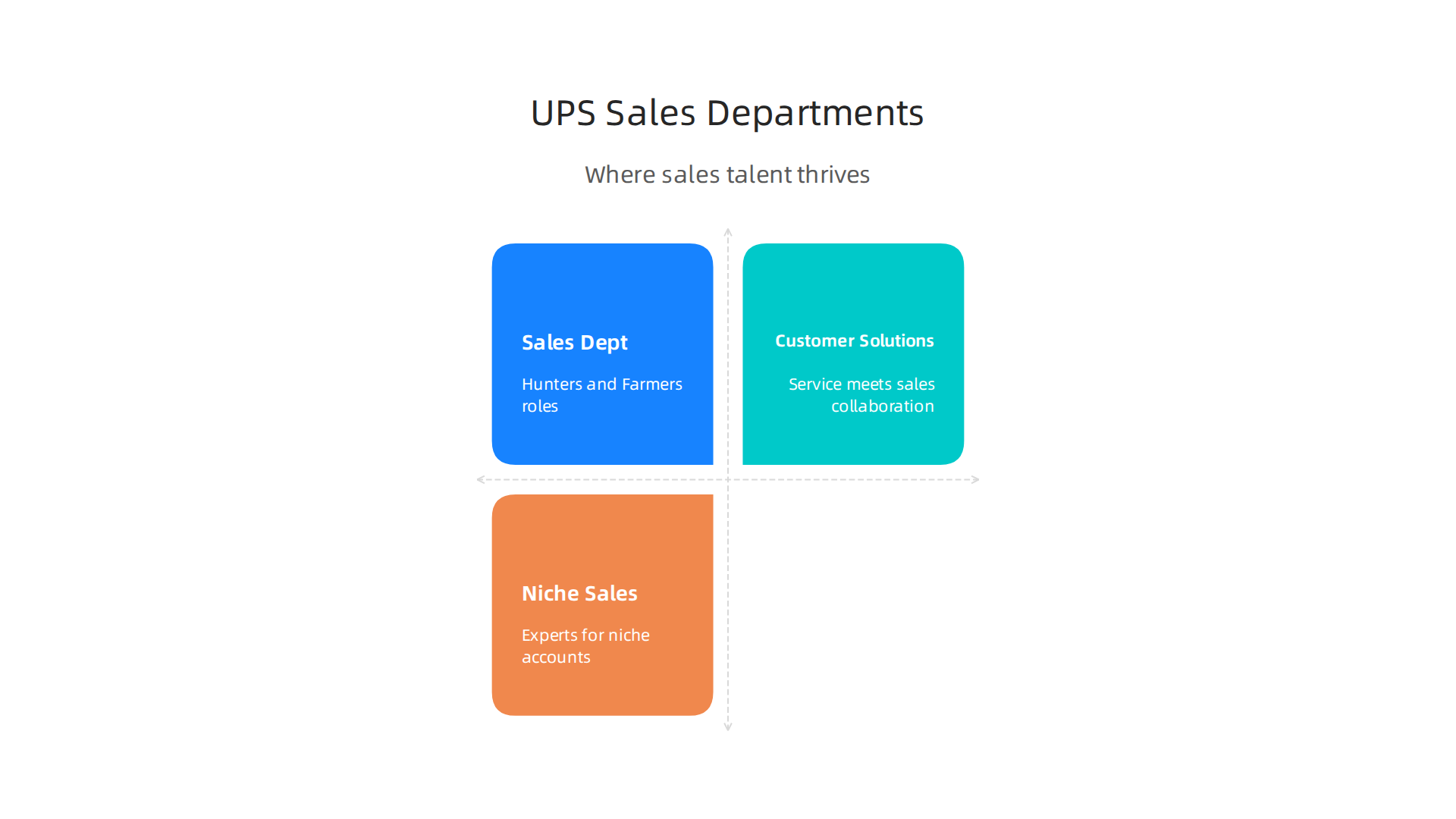
If you’re exploring UPS careers, these are the key teams where your skills can truly shine.
The UPS Sales Department: Hunters and Farmers
This is the engine of new business. The core Sales Department is focused on acquiring and retaining business clients. Roles here, like Business Development Representatives or National Account Executives, are classic "hunters." They proactively find companies that need better shipping, logistics, or supply chain solutions.
Think of it this way: while Walmart careers or Target careers often focus on selling products to consumers inside a store, UPS sales is about selling a vital business service. It’s a partnership. You might work remotely to pitch a streamlined shipping program to an e-commerce startup or negotiate a global contract with a manufacturing firm. The goal is to build a portfolio of clients who rely on UPS as a strategic partner, not just a delivery vendor.
Customer Solutions: Where Service Meets Sales
This department is where account management and sales growth blend seamlessly. Once a client is onboard, Customer Solutions Managers take over. They are the "farmers," nurturing the relationship, ensuring service quality, and looking for opportunities to expand the account.
Your remote work here involves regular check-ins, analyzing a client’s shipping data to suggest cost-saving adjustments, and introducing new UPS services that fit their evolving needs. It’s a consultative role built on trust. For instance, if a client’s business is growing, you might remotely design a plan to add international shipping or warehouse storage. This area is booming; employment for logistics experts who can manage these complex relationships is projected to grow much faster than average, according to the U.S. Bureau of Labor Statistics.
Specialized & Niche Sales: The Expert Path
UPS also has fascinating niches for salespeople with specialized knowledge. These roles are less about cold calls and more about deep consultation.
- Enterprise Technology Sales: Here, you’d sell UPS’s advanced technology platforms, like shipping APIs, tracking systems, or custom integration tools, to other large tech companies or IT departments.
- Supply Chain & Logistics Consulting: This is a high-level role. You’d work remotely with companies to redesign their entire supply chain network, maybe incorporating UPS’s warehouse management, transportation, and inventory services into one seamless system. These are strategic conversations that command high value. In fact, specialized logistics and sales roles are consistently listed among the best logistics jobs for 2026 due to their impact and earning potential.
These specialized paths show that UPS careers can be a destination for experts, not just general salespeople. The compensation reflects this expertise. For example, data from early 2026 shows the average pay for specialized transportation and sales roles remains strong, reflecting their importance to the business.
The reality of these roles in 2026 is that they are built for a remote or hybrid model. The tools for virtual meetings, data analysis, and collaborative planning are better than ever. Whether you’re in the core sales team hunting for new clients, in customer solutions growing existing accounts, or in a niche consultant role, you can build a powerful career from a home office. To understand the full scope of what’s possible in this remote sales landscape, take a moment to read about what nobody tells you about remote sales jobs in 2026. It will help you see beyond the job description to the day-to-day reality of success.
The Reality of Remote and Hybrid Roles at a Logistics Giant
You might picture UPS as a world of brown trucks and bustling warehouses. And you’d be right. But in 2026, the corporate engine that powers that network looks different. For sales and solutions professionals, UPS careers have fully embraced the future of work. Let’s break down what that really means for you.
UPS’s Official Stance: A Strategic Hybrid Approach
After 2024, UPS, like many large companies, moved from reactive pandemic policies to a strategic, long-term model. Official statements in their investor communications emphasize creating sustainable value and improving governance, which includes thoughtful workforce planning. The company’s focus, as highlighted in their reports, is on guiding the business "with clarity and conviction to be a leader in the Future of Work." This isn’t about a blanket remote policy. It’s about fitting the work model to the role’s purpose.
In practice, this means UPS careers in 2026 are not one-size-fits-all. They are carefully designed to balance collaboration, customer needs, and employee flexibility. While a driver’s role is firmly on the road, corporate sales and customer solutions roles fall into three clear categories.
The Three Models: Where You Might Fit
-
Fully Remote (Work-From-Anywhere): This is common for many inside sales and account management roles. If your clients are spread across the country and your team is virtual, your location often doesn’t matter. A Business Development Representative in Arizona can sell to a tech startup in Colorado as effectively as someone in the Atlanta headquarters. These roles rely on digital tools and are measured by output, not presence.
-
Hybrid (Blended In-Person & Remote): This is the dominant model for customer-facing roles that benefit from periodic in-person connection. A National Account Executive might work from home three days a week but come into a regional office for team strategy sessions or to host a local client workshop. A Customer Solutions Manager might be remote but travel quarterly to visit their key accounts. This model acknowledges what experts note: the debate has shifted to a "sharper focus" on how to best balance in-person collaboration with remote productivity.
-
Field-Based or Hub-Centric: Some specialized sales and implementation roles require being near a major UPS hub, airport, or operations center. While you may have a home office, your work is tied to a specific facility. This is less common for pure sales roles but can apply to operational consultants or those managing complex, hands-on supply chain integrations.
The Tech That Makes It All Work
How does a 120-year-old logistics giant enable a modern, dispersed sales force? With a powerful tech stack. UPS provides its remote and hybrid teams with enterprise-level tools designed for connection and efficiency.
- Advanced CRM & Sales Platforms: All client data, interactions, and pipeline management happen in centralized systems. This means you have a complete view of your accounts whether you’re at a desk in an office or at your kitchen table.
- Virtual Communication Suites: Seamless video conferencing, instant messaging, and digital whiteboarding are standard. Team meetings, client pitches, and training sessions are built for a virtual-first environment.
- Cloud-Based Analytics & Planning Tools: Remote doesn’t mean disconnected from data. Sales reps have real-time access to shipping analytics, cost-saving models, and performance dashboards to consult with clients intelligently.
This infrastructure is key to success. It ensures that whether your UPS career is fully remote or hybrid, you have the same resources and capabilities as someone in a corporate tower. For a deeper dive into what it takes to thrive in this environment, our ultimate checklist for finding remote sales jobs in 2026 is a great next step.
How This Compares to Other Major Employers
It’s helpful to see how UPS’s approach stacks up. Like UPS, FedEx careers in corporate sales also offer robust remote and hybrid options, reflecting the industry’s shift. Conversely, Walmart careers and Target careers in corporate roles may lean more hybrid, often requiring more regular in-office time to support their vast retail operations, though policies continue to evolve.
The bottom line for 2026 is this: A UPS career in sales or customer solutions is built for flexibility. The company has moved past simply allowing remote work to strategically embedding it into roles where it drives the best results for clients and employees alike. Your success is measured by the partnerships you build and the value you create, not by where you log in from.
Essential Skills for Succeeding in UPS Sales Roles
So you understand the remote and hybrid landscape at UPS in 2026. Now, what does it take to not just get the job, but to truly excel in it? The right skills are your most important tool. While you don’t need to be a logistics expert on day one, the most successful professionals blend core sales talent with industry savvy and the personal discipline to thrive outside a traditional office.
Core Sales Competencies: The Foundation
First and foremost, you are a sales professional. UPS looks for individuals who can build relationships and drive value, not just process orders. This requires a modern skill set that goes beyond cold calling.
- Consultative Selling: This is key. You’re a problem-solver who listens to a client’s unique supply chain challenges and designs a UPS solution that saves them time, money, or hassle.

It’s about being a trusted advisor, not just a vendor.
- Strategic Negotiation: You’ll navigate pricing, service agreements, and contract renewals. The goal is a win-win that secures a long-term partnership, balancing customer value with sustainable business for UPS.
- CRM Proficiency: As mentioned earlier, managing your pipeline in UPS’s centralized system is non-negotiable. Mastery of their CRM means you can track interactions, forecast accurately, and leverage data to inform your sales strategy from anywhere.
Sales skills are consistently ranked among the top skills for high salary growth, making this a solid foundation for your career.
Industry Knowledge: Speaking the Language of Logistics
You’re selling a complex service. To earn credibility with operations managers and CFOs, you need to understand their world. This doesn’t mean you need an engineering degree, but you should grasp the basics.
- Supply Chain Fundamentals: Know the key players and pain points. What is a distribution center? What is freight consolidation? Understanding the flow of goods from manufacturer to consumer helps you identify where UPS can optimize a client’s process.
- Logistics Terminology: Be comfortable with terms like "last-mile delivery," "less-than-truckload (LTL)," "dimensional weight (DIM weight)," and "accessorial charges." This allows you to have intelligent, confident conversations.
- UPS Service Portfolios: Go beyond ground and air. Understand the strategic value of their healthcare logistics, international trade services, and advanced technology solutions for e-commerce. Your job is to match the right tool to the client’s need.
This knowledge is increasingly valuable, as supply chain and logistics roles are among the most in-demand across industries.
The Remote Success Skills: Your Invisible Toolkit
This is where a UPS career in 2026 truly diverges from a traditional sales role. The hybrid or remote model grants freedom but demands a high degree of personal accountability and digital fluency.
- Self-Discipline & Time Management: Without a manager looking over your shoulder, you must structure your own day for prospecting, client calls, and admin work. Proactivity is everything.
- Proactive & Over-Communicating: In a remote setting, you cannot rely on hallway conversations. You must intentionally update your team, clearly flag challenges, and ensure clients never feel out of the loop. Clarity in writing and on video calls is crucial.
- Digital Collaboration: Being adept with shared documents, virtual whiteboards, and project management tools is part of the job. It’s how you brainstorm with a solutions team in another state or co-present with a colleague.
These soft skills, like collaboration and time management, are fundamental to succeeding in the modern job market, as highlighted in analyses of the most in-demand skills for 2026. To truly master the remote aspect of these roles, our guide on what nobody tells you about remote sales jobs in 2026 dives deeper into the unwritten rules and daily realities.
Combining these three skill areas makes you a formidable candidate. You become more than a salesperson; you become a logistics-savvy business partner who can build book-of-business from a home office just as effectively as from a corporate tower. This powerful mix is what defines top performers in today’s UPS careers.
Bridging the Gap: How to Acquire Logistics Industry Knowledge
You know industry knowledge is a key to success in UPS careers. The good news? You don’t need a decade of experience to build a solid foundation. In 2026, there are more accessible resources than ever to help you speak the language of logistics confidently. Here’s how you can bridge that knowledge gap.
Start With Foundational Education
Begin with structured learning to understand core principles. Online courses are a perfect, flexible starting point.
- Take a Beginner’s Course: Look for courses designed for newcomers. Platforms like Coursera offer numerous supply chain and logistics courses that cover everything from fundamentals to advanced topics.
For a curated list, you can explore rankings of the best supply chain coordination courses for beginners in 2026, which compare outcomes and affordability.
- Pursue a Fundamentals Series: Institutions like Georgia Tech offer a Supply Chain Fundamentals Series specifically designed for entry-level professionals. This is a great way to get credentialed knowledge.
- Learn for Free: Budget is no barrier. There are excellent free courses from top universities available on platforms like edX, including MIT’s Supply Chain Fundamentals. You can also find guides to the top free logistics courses on YouTube for a visual learning approach.
- Consider a Certification: To formally validate your knowledge, look into recognized certifications. Resources like Indeed provide a helpful overview of supply chain certifications to advance your career.
Dive Deep Into UPS and the Competitive Landscape
Next, get specific. Understand not just logistics, but how UPS operates within it.
- Study the UPS Website: Go beyond the homepage. Deep dive into their service portfolios for healthcare, e-commerce, and international trade. Read case studies and whitepapers to understand the value they pitch to clients.
- Follow Industry News: Subscribe to logistics publications (like Supply Chain Dive or Journal of Commerce). This helps you learn about trends, challenges, and how major players like UPS, FedEx, and others are responding. Understanding your future client’s daily news is powerful.
- Analyze Competitors: Look at the career pages and service descriptions for competitors like FedEx careers. Also, examine how large retailers like Walmart and Target manage their supply chains. This gives you a holistic view of the ecosystem you’ll be selling into.
Leverage Your Transferable Experience
Your past work is an asset. You likely already have relevant skills.
- Retail Experience (Walmart careers, Target careers): If you’ve worked in retail, you understand inventory, customer demand, and the importance of getting products on shelves. You’ve seen the "last-mile" from the store perspective. This is a huge advantage in understanding a client’s pain points.
- Manufacturing or Operations Experience: Any role involving production schedules, quality control, or shipping/receiving gives you direct insight into the supply chain’s middle miles. You understand timing, cost pressures, and efficiency needs.
- Any Customer-Facing Role: Experience in sales, account management, or customer service is directly transferable. You already know how to listen to needs, build rapport, and present solutions, which is the core of a logistics sales role.
Combining formal education with targeted research and your own unique background is the fastest way to build credibility. This proactive approach to learning is exactly what sets candidates apart. Once you have this knowledge base, the next step is knowing how to find and land these opportunities. For a practical roadmap, use our ultimate checklist for finding remote sales jobs in 2026 to organize your search and application strategy.
Navigating the UPS Application & Interview Process
You’ve built your knowledge base. You’ve identified your transferable skills. Now comes the moment of truth, the part that makes even seasoned professionals a little nervous. Actually, the hiring process is simply a series of conversations designed to find the right match. Knowing what to expect can turn your anxiety into confidence.
Let’s walk through the typical journey for UPS careers, especially in sales and logistics roles.
The Step by Step Hiring Journey
While every role can vary, most processes follow a familiar path. Knowing this timeline helps you stay patient and prepared. Studies show that 83% of sales candidates want a clear hiring timeline, and the average hiring process can take around 44 days.
- Online Application: This is your first impression. Tailor your resume to highlight logistics knowledge and sales acumen. Use keywords from the job description. Remember, this isn’t just a formality. It’s a filter for basic qualifications and a test of your attention to detail.
- Assessments: For many roles, especially in sales, you may encounter online assessments. These often test cognitive ability, personality fit, and sometimes situational judgment. They want to see how you think, not just what you know.
- Phone Screen: If your application passes, a recruiter will call. This is a high-level check for communication skills, salary expectations, and basic role alignment. Have your "why UPS" and "why this role" answers ready and concise.
- Virtual Panel Interviews: This is the main event. You’ll likely meet with a hiring manager and potentially future team members over a video call. Be prepared for behavioral questions ("Tell me about a time you overcame an objection") and case-based problems.
What UPS Recruiters Are Really Looking For
Beyond your resume, interviewers are evaluating two core things: cultural fit and problem-solving agility.
- Cultural Fit: UPS has a strong, team-oriented culture built on reliability and service. They look for candidates who are collaborative, ethical, and driven by customer success. In your answers, showcase how you’ve been a dependable team player in past roles, whether in retail at Target or managing projects.
- Problem-Solving: Logistics is about solving puzzles every day. A delayed shipment, a cost overrun, a client’s unique need. Recruiters want to see your thought process. When asked a question, walk them through how you would break down a problem, explore options, and decide on a solution. This demonstrates the kind of strategic thinking that’s among the top skills to learn in 2026 for high salary growth.
Excelling in Your Virtual Interview
Since many roles, especially in sales, are remote-capable, your virtual interview is a double test.

It assesses you for the job and your readiness to work remotely.
- Tech Check First: Test your camera, microphone, and internet connection an hour before. A clean, professional background is non-negotiable. Good lighting on your face is crucial.
- Demonstrate Remote Work Readiness: Mention tools you’re comfortable with (like CRM software, video conferencing platforms, collaborative docs). Talk about how you manage your time and stay self-motivated without direct supervision. This shows you understand the reality of a modern, distributed role.
- Have a "Show and Tell" Ready: Be prepared to briefly share your screen to walk through a relevant document, a portfolio of past work, or how you might structure a sales plan. This proactive move is memorable.
- Ask Insightful Questions: Don’t just ask about the role. Ask about team dynamics, how success is measured, and what the biggest challenge for the team is right now. This shows you’re already thinking like a team member.
Navigating the process for UPS careers is about preparation and perspective. See each step as a chance to demonstrate you’re not just looking for any job, but a career in the vital field of logistics. For more targeted strategies on landing a remote role, our guide on how to find legitimate remote sales jobs offers a detailed, step-by-step approach that complements this process perfectly.
Career Growth and Earning Potential in Logistics Sales
You’ve navigated the interview. You’ve landed the role. Now, what’s next? One of the most exciting parts of a career in logistics sales, especially with a leader like UPS, is the clear path forward.

This isn’t just a job. It’s a career ladder with visible steps, each with its own rewards. Let’s look at where you can go and what you can earn.
Your Career Path in Logistics Sales
Think of your career as a journey with clear milestones. Here’s a common progression:
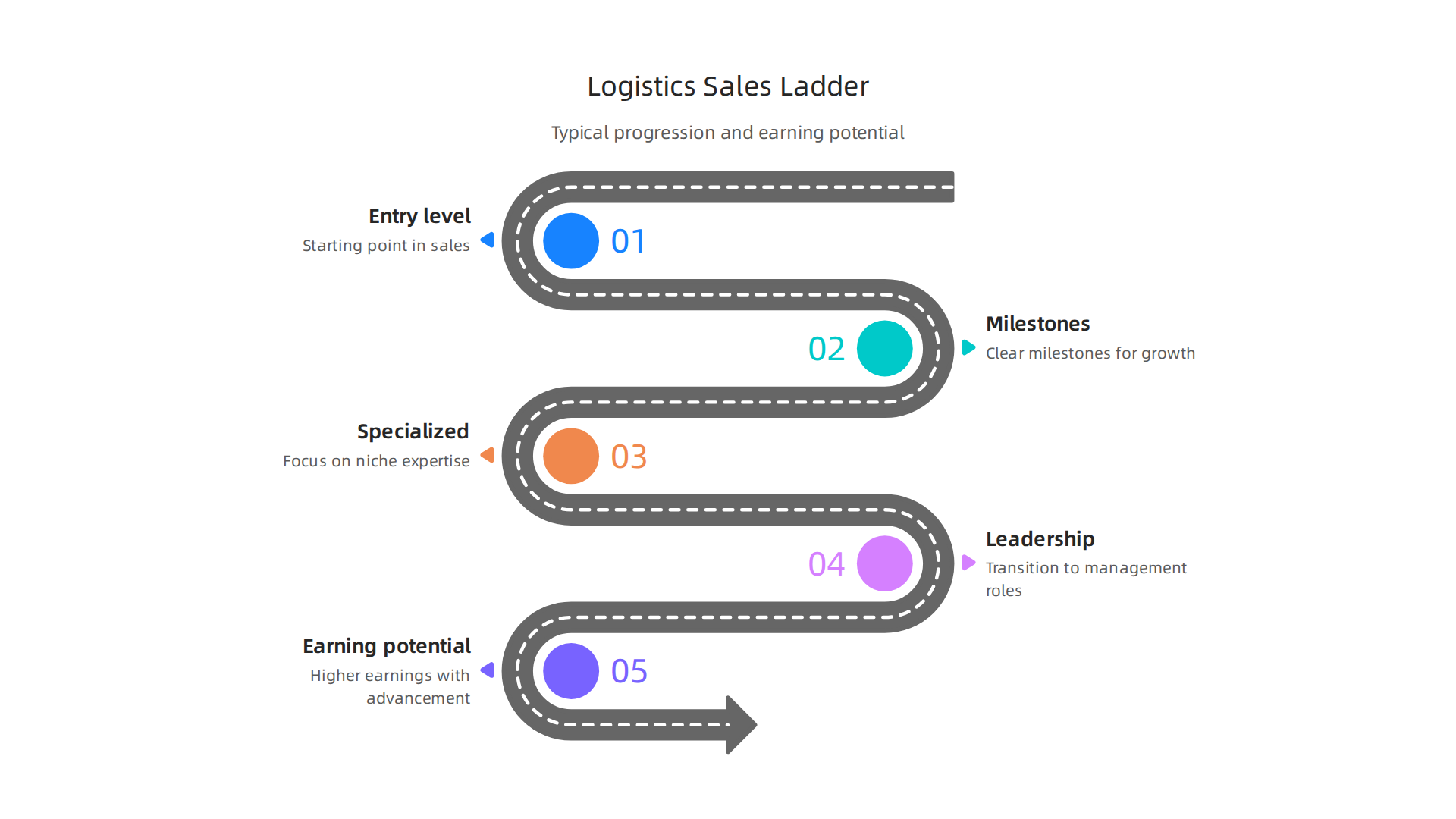
- Entry-Level Sales Representative: This is where you start. You learn the ropes, manage a smaller set of accounts or prospects, and build your foundational sales and logistics knowledge. You might come from a background in retail at Target or Walmart, where customer service is key.
- Senior Account Executive: After proving yourself, you’ll handle larger, more complex accounts. Your focus shifts from simple transactions to building strategic partnerships and managing the entire client lifecycle. This role demands deeper industry knowledge and advanced problem-solving skills.
- Sales Manager: Here, you transition from managing accounts to leading a team. You’re responsible for coaching other reps, driving team strategy, and hitting regional or divisional targets. This role leverages your experience to multiply success across a group.
- Specialized or Leadership Roles: The path can branch out. You might move into a specialized role like Key Account Management, Sales Operations, or even transition into other parts of the business, such as logistics operations, marketing, or training. Your deep sales experience is a valuable asset across the company.
Understanding Your Compensation
Your paycheck in logistics sales is typically a powerful combination of stability and performance-based reward. According to 2026 data, the average salary for a Logistics Sales Representative in the U.S. is over $76,000 per year. At a major firm, your total compensation often includes:
- Base Salary: This provides a reliable foundation. It’s competitive and reflects your role and experience level.
- Commission Plan: This is where your effort directly boosts your income. By closing deals, growing accounts, and hitting targets, you earn a percentage of the sales revenue you generate. High performers can significantly increase their total earnings here.
- Bonuses: You may be eligible for quarterly or annual bonuses for exceeding team goals, company performance, or other metrics.
- Benefits Package: Companies like UPS offer comprehensive benefits, which are a major part of your total compensation. This typically includes health insurance, retirement plans (like a 401k), paid time off, and often employee discounts.
As you advance, the balance shifts. Management roles often have a higher base salary with bonuses tied to team performance, while senior individual contributors can earn substantial commission. Leadership roles in supply chain and logistics can be very lucrative, with some VP-level positions reaching into the $250,000 range.
Long-Term Advancement Beyond Sales
A sales career in logistics opens more doors than you might think. The skills you hone—client relations, strategic thinking, negotiation, and deep market knowledge—are highly transferable. Many professionals use their sales success as a springboard into other areas:
- Operations: Move into managing the actual flow of goods, optimizing routes, and improving efficiency.
- Marketing: Lead campaigns to generate new leads, using your firsthand knowledge of what resonates with clients.
- Business Development: Focus on high-level partnerships, mergers, or entering new markets.
- Corporate Training: Teach the next generation of sales reps, sharing the strategies that made you successful.
This growth potential makes UPS careers and similar paths at companies like FedEx so compelling. You’re not stuck in one track. You’re building a versatile, valuable skill set in a vital global industry. For a deeper look at building a lasting career from a remote position, our article on what nobody tells you about remote sales jobs explores the long-term realities and opportunities.
Making an Informed Decision: Is a UPS Sales Role Right for You?
You’ve seen the career path and earning potential. Now comes the most important question. Is this the right fit for you? A role in logistics sales at a major corporation is rewarding, but it has its own unique rhythm and demands. Let’s break down what to honestly ask yourself before you commit.
The Reality Check: Culture, Pressure, and Travel
First, consider the day-to-day life. Working for an industry giant like UPS means operating within an established, process-driven culture. This brings stability and world-class training, but it might feel less agile than a fast-moving tech startup. Ask yourself:
- Do you thrive under performance pressure? Your income is tied directly to your results. There are targets, quotas, and the constant drive to grow your accounts. It’s motivating, but it’s not for everyone.
- What are the travel requirements? While some roles are remote or hybrid, many involve visiting clients, attending industry events, or traveling to regional offices. Make sure the expected travel aligns with your lifestyle.
- Do you prefer structure or autonomy? Large companies have more defined processes and support systems. If you love building a playbook from scratch, a logistics tech startup might offer more raw autonomy. If you want to leverage an existing brand and proven systems, UPS careers are a powerful choice.
Big Company vs. Startup: A Quick Comparison
It helps to see the trade-offs side-by-side.
| Feature | Large Corporation (e.g., UPS, FedEx) | Logistics Tech Startup |
|---|---|---|
| Stability & Resources | High. Strong brand, extensive training, and robust benefits. | Variable. Depends on funding and market traction. |
| Agility & Impact | Structured. Change can be slower; you’re part of a large engine. | High. You can often shape processes and see your direct impact quickly. |
| Compensation Structure | Often a balanced mix of reliable base salary and commission. | Can be heavily skewed toward equity/options with a lower base, higher potential risk/reward. |
| Career Path | Clear, documented ladders within sales and beyond into operations or marketing. | Less defined, but opportunities to grow into leadership can appear faster. |
Evaluating the Total Package and Your Life
Look beyond the salary number. A true compensation package includes benefits, work-life integration, and growth opportunities.
- Understand the Full Offer: Weigh the base salary, commission plan, bonuses, and benefits (healthcare, retirement, paid time off). A slightly lower base with a strong commission plan and great benefits might beat a higher base elsewhere.
- Ask About Work-Life Integration: How does the team manage after-hours communication? What is the real culture around taking time off? In 2026, clarity on these points is a sign of a mature, respectful workplace. For insights on balancing these factors in a non-traditional setting, explore our guide on what nobody tells you about remote sales jobs.
- Bridge Your Skill Gaps: If you’re excited but lack formal logistics knowledge, that’s okay. Many successful salespeople come from retail backgrounds at companies like Target or Walmart. You can proactively learn. Excellent, affordable courses are available online from platforms like Coursera or specialized providers like Georgia Tech’s Supply Chain Fundamentals series.
The right choice depends on your personality, goals, and stage of life. A UPS sales role offers a proven track to success in a vital industry. By honestly assessing the demands and comparing them to your own drivers, you can make a confident, informed decision for your future.
Summary
This article explains why pursuing a remote or hybrid sales career at a logistics leader like UPS is a high-trust, high-opportunity move. It breaks down UPS’s business segments—Small Package, Supply Chain Solutions, and UPS Freight—to show where sales and account roles live and how those roles function remotely. You’ll learn the three common work models (fully remote, hybrid, and field-based), the enterprise tools that enable distributed teams, and the specific sales and logistics skills employers expect. The guide also outlines practical steps to gain industry knowledge, how to navigate the UPS hiring process from application to virtual panel interviews, and what to expect for compensation and career progression. Finally, it helps you weigh big-company stability against startup agility so you can decide whether a UPS sales role matches your lifestyle and long-term goals.