
How to Find Remote Sales Jobs NYC in 2026


Introduction: Why NYC Remote Sales Jobs Are a Smart Move in 2026
Looking for nyc jobs in 2026? It can feel like a maze. You’re up against tons of other applicants. Rent isn’t getting cheaper. And if you’re hunting for entry level jobs nyc, the options that pay enough can seem scarce.
But here’s the thing. Remote sales has changed everything.
Right now, platforms like Indeed list over 1,150 remote sales jobs in New York City.
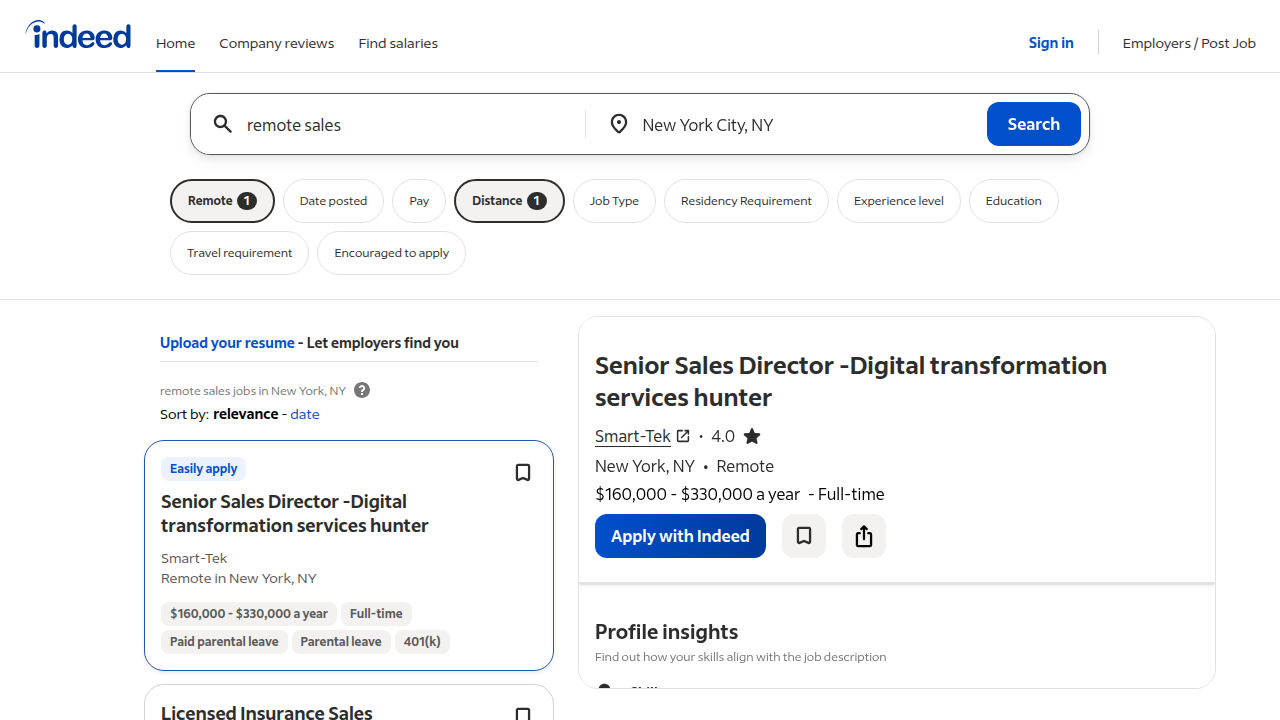
That includes more than 500 remote sales representative roles and over 200 tech sales positions in Manhattan alone. Over on Glassdoor, you’ll find another 1,000+ openings. The demand for people who can sell from home is real and growing fast.
That means you don’t need a pricey commute or a fancy Midtown office to earn a strong income anymore. You can build a career from your living room in Brooklyn, a shared space in Harlem, or a cafe in Astoria. For anyone after remote jobs or work from home jobs, this opens up a world of opportunity.

But let’s be honest. Starting out in sales comes with real challenges. How do you spot a legitimate gig versus a scam? How do you build skills when you’re not learning from a manager in person? And how do you crush a virtual interview if you’ve never done one?
These are the questions that hold people back.
This guide is built to help you get past them. We’ve pulled together expert advice and practical steps to help you find a real, well-paying remote sales role in New York City. If you want to dig deeper into spotting the real opportunities, check out our guide on finding legitimate remote sales jobs before you start applying.
Whether you’re fresh out of school or switching careers, the path is clearer than you think.
Identifying Legitimate Remote Sales Jobs in NYC
The rise of remote work has been great for job seekers. But it has also brought a wave of scams. Fake job listings are everywhere, especially for entry level jobs that promise huge pay with little experience. As the FTC warns, scammers know people are eager to work from home, and they use that hope to steal your time and money. The good news? Once you know what to look for, you can spot a real opportunity fast.
Legitimate remote sales jobs in NYC share a few common traits. First, the company is clear about how much you will earn. You should see a base salary, a commission structure, or both. If a listing talks about "unlimited income" but refuses to give any numbers, that is a red flag. Advia Credit Union points out that many scams use vague promises of easy money. Real jobs also have a clear company name, a real website, and a physical address. You can often find their Glassdoor reviews or a LinkedIn page with actual employees.
Second, a legitimate posting will describe the role honestly. It will list the products you will sell, the tools you will use, and the skills you need. If the job description is full of spelling errors or says things like "no interview needed," walk away. The FTC suggests you search for the company name plus the words "scam" or "complaint" to see if others have warned about them. This simple check can save you hours of wasted effort.
Third, use employer vetting tools. Sites like Indeed and Glassdoor let you read reviews from current and past employees. But don’t stop there. Indeed’s guide to job scams recommends you also check if the company has been around for a while and if they have a real phone number you can call. If the only contact is a Gmail address or a phone number with a weird area code, be careful.
Finally, trust your gut. If something feels off, it probably is. Real companies do not ask for money upfront or ask you to cash a check and send part back.

They do not promise a car or a big signing bonus before you even start. If a listing seems too good to be true, it almost always is.
When you are ready to apply, knowing these signs will help you focus on roles that are worth your time. For a deeper look at what a real remote sales job looks like, check out our guide on finding legitimate remote sales jobs. It walks you through the exact steps to verify a company before you commit your energy.
Red Flags to Watch For
You know what a real job looks like. Now let’s talk about the warning signs. These red flags pop up all the time in fake listings for remote sales roles in NYC. Once you know them, you can skip the bad ones fast and focus on real opportunities.
Vague promises of high pay. If a listing for entry level jobs NYC talks about "unlimited income" but refuses to share the base salary or realistic quotas, that is a classic problem. Real entry level jobs explain how you get paid. If they only mention huge earning potential without details, be suspicious. A helpful video shows three simple checks you can do to verify a remote sales job before you waste your time.
Requests for upfront money. This is a non-negotiable red flag. No real company will ask you to pay for training, a background check, or a starter kit. If they want your bank details or cash deposit first, walk away fast. The Remote Nomad explains that this is one of the clearest signs of a scam in the work from home jobs space.
Thin or fake digital footprint. A real company has a real website, an active LinkedIn page, and employee reviews on sites like Glassdoor. If you cannot find any of these, or if the website looks thrown together, that is a major warning sign. Scammers often pretend to be big brands or make up company names that sound close to real ones. Always do this background check before you apply.
Spotting these signs early will save you hours of frustration. For a full step by step process on finding real remote roles, take a look at our ultimate checklist for finding remote sales jobs in 2026. It covers everything you need to land a position you can actually trust.
Tools for Vetting Employers
Now that you know what warning signs to watch for, it is time to get proactive. Here are three simple tools to check any company before you apply for nyc jobs or entry level jobs nyc. A little research here saves you big headaches later.
LinkedIn is your first stop. Look at the company page. Does it have real employees?
Check their recent hiring activity. If a company says it is hiring for remote jobs but has only one employee or no recent posts, that is a problem. You can also look at the profiles of current employees to see if their backgrounds make sense.
Cross reference on Glassdoor and Indeed. These platforms show compensation estimates, interview stories, and employee reviews. If you see a listing for work from home jobs with an amazing salary but Glassdoor shows much lower pay, something is off. The FTC recommends that you search for the company name plus “scam” or “complaint” to see what others have reported.
Check the Better Business Bureau and your state business registry. You can see if the company is actually registered and if there are complaints against them. Scammers often skip these steps. Indeed also warns that pyramid schemes sometimes look like real opportunities, so verifying registration is a smart move.
Using these tools takes only a few minutes. For a deeper walkthrough on finding real entry level jobs, check out our step by step guide to finding legitimate remote sales jobs. It gives you a full checklist to trust every application you send.
Bridging Skill Gaps for Remote Sales
So you found a company that looks legit. You checked them out with the tools above. But now you hit a wall. Many people looking for entry level jobs nyc or remote jobs realize they do not have the skills that remote sales employers actually want in 2026.
Here is the reality. If you apply for work from home jobs in sales without knowing the basics, you will likely get passed over. The good news? You can fix most gaps with free or low cost resources.
What do employers care about most?
First, they want CRM experience. Tools like Salesforce and HubSpot are everywhere. In 2026, CRM mastery goes beyond data entry. Top performers use CRMs to manage pipelines, spot patterns, and prioritize leads. If you have never touched a CRM, that is a gap you need to close.
Second, virtual communication skills matter a lot. Selling on Zoom or phone calls is different from in person. You need to build trust fast and read people without being there. Active listening and empathy based listening are essential for remote sales success. You also need strong conversational skills and the ability to tell a story that sticks.
Third, employers look for self management. When no one watches you, can you stay on task? Critical thinking and independent decision making are top skills for remote jobs in 2026. You must manage your time, follow up consistently, and solve problems on your own.
How to close these gaps before you apply
You do not need a degree or a expensive course. Start with these three steps.
- Learn a CRM for free. HubSpot offers a free CRM and a Inbound Sales Certification. You can take it on your own schedule. Put that certification on your resume right away.
-
Practice virtual communication. Record yourself doing a mock sales pitch on Zoom. Watch it back. Ask a friend to give honest feedback. Focus on your tone, your pacing, and how you build rapport. The Brooks Group notes that relationship building is a key skill for virtual sales.
-
Build self management habits. Start a simple daily routine. Block time for tasks, avoid distractions, and set goals. Treat your job search like a job. This shows employers you are ready for remote work.
If you want a full list of companies that offer training for new sales reps, check out our guide to finding legitimate remote jobs with training provided. It lists employers who will teach you the skills you need.
Remember, you do not need to be perfect right now. But showing you have taken steps to learn CRM tools and virtual selling puts you ahead of most people applying for entry level jobs. Start today, and you will be ready for that interview.
CRM and Sales Tools Proficiency
You already know that CRM experience is a big deal for remote sales jobs. Now let’s talk about which specific tools employers want most and how to prove you know them.
Salesforce is the gold standard. Most large companies use it for managing leads, tracking deals, and running reports. In 2026, top performers use Salesforce strategically to spot patterns and prioritize leads, not just for data entry. If you are aiming for entry level jobs nyc or any remote job in sales, being comfortable with Salesforce puts you ahead.
But Salesforce is not the only option. Smaller companies often use HubSpot, Zoho, or Pipedrive. These tools are simpler to learn but still important. Employers want you to show that you can jump into any CRM and work efficiently. CRM proficiency, automation, and analytics are essential technical skills that help you move faster and sell smarter.
How to prove your skills before you apply
Certifications make a real difference. A Salesforce Admin certification or a HubSpot Sales certification tells hiring managers you are serious. These credentials can set you apart from other applicants who list “CRM experience” but have no proof.
The good news? Both Salesforce and HubSpot offer free training and low-cost certifications you can complete online in a few weeks. That is a quick way to close the gap and start applying for entry level jobs or work from home jobs with confidence.
If you want more tips on building the skills that remote sales employers look for, check out our guide on how to find and succeed in flexible work from home jobs in sales. It covers the exact steps to stand out in the 2026 job market.
Mastering Virtual Communication and Self-Management
Having the right CRM skills is only half the battle. To succeed in remote sales in 2026, you also need to master how you communicate and manage yourself when no one is watching.
Virtual selling is a different game. You cannot rely on handshakes or in person meetings. Instead, every interaction happens through video calls, email, or chat. That means your written and verbal communication must be sharp. Modern salespeople must excel across multiple communication formats, from face to face to written and remote. If you are applying for entry level jobs nyc, this skill alone can set you apart.
Conversational skills and active listening are essential in a remote selling environment. You have to build trust without being in the same room. Practice being clear and warm in your emails. Speak with energy on video calls. And use your camera often.

Self-discipline matters more than ever. When you work from home, your manager cannot watch over your shoulder. You must set your own schedule, avoid distractions, and stay focused. This is especially true for entry level jobs where you might not have a lot of structure yet. Remote jobs require thinking skills that help you prioritize and manage your time without direct supervision.
One simple trick that gives you an edge? Use Loom or similar tools to send async video messages. Instead of writing a long email, record a short video update. It feels more personal and saves time. Hiring managers love seeing candidates who already use remote friendly tools.
If you want a complete checklist for landing a remote sales role, check out our guide on finding remote sales jobs in 2026. It covers exactly how to prepare and stand out in the job market.
Acing the Remote Sales Interview
You have sharpened your virtual communication skills and learned to manage your own time. Now it is time to put everything on display in the interview itself. In 2026, virtual interviews are the standard for remote sales positions. According to Prospect HQ, virtual interviews are now standard practice for first-round interviews, screening calls, and remote positions. Whether you are looking for nyc jobs or work from home jobs anywhere, you will most likely interview through a screen.
Employers want to see one thing above all else: can you build rapport without being in the same room? That is harder than it sounds. You have to connect with your voice, your energy, and your eye contact through a tiny camera lens. Preparing like this requires attention to tech setup, professional dress, and virtual communication skills. Make sure your camera is at eye level, your lighting is soft and even, and your background is clean and professional.
Expect employers to test your remote readiness with specific scenario questions. They might ask how you keep yourself motivated when working alone or how you handle a customer who is distracted on a video call. They also watch your tech setup closely. The Final Round AI blog recommends testing your tech setup before the interview, choosing a good space, and dressing professionally. A glitchy connection or a messy background can hurt your chances even if your answers are strong.
Here is how to prepare so you walk into every interview with confidence:
- Research the company deeply. Know their products, their competitors, and why you want to work there.
- Rehearse your answers out loud. Practice common sales questions like tell me about yourself and how do you handle rejection?
- Set up your space. Remove distractions and let everyone in your home know you are interviewing. Practice looking at the camera, not at yourself on the screen, to create better eye contact.
- Dress professionally from head to waist. Yes, even for a video call. It puts you in the right mindset.
For those applying to entry level jobs nyc or entry level jobs anywhere, showing you already think like a remote professional gives you a huge advantage. Hiring managers want to hire someone who will fit into a remote team from day one. If you want more detailed steps on landing your first remote sales role, check out our guide on how to find legitimate remote sales jobs and get hired fast.
Preparing for Virtual Interviews
Now let’s get into the specific steps that make or break your interview day. The general advice is useful, but these three areas deserve special attention.
Test your tech setup and always have a backup plan. Your internet connection, camera, and microphone must work smoothly. Final Round AI recommends testing your tech setup before the interview and choosing a good space. But here is the thing. Things go wrong. Have your phone ready as a backup hotspot. Know how to switch to a phone call quickly if your video fails. Practice opening your video platform and sharing your screen so you look comfortable, not confused.
Dress professionally from the waist up and clean your background. Yes, you need to dress like you are walking into an office. According to the Assurant blog, dress as professionally for virtual interviews as you would for an interview in person. Choose a neutral, clutter free background. A blank wall works perfectly. Remove anything distracting from the frame including pets, laundry, and noisy appliances.
Practice the STAR method for your sales stories. Employers want to hear about real results. The Apollo framework for 2026 sales interviews emphasizes testing practical skills like stakeholder mapping and business acumen. The STAR method helps you structure your answers. Describe the Situation, the Task, the Action you took, and the Result. For example, instead of saying "I was a good salesperson," say "I noticed our team was falling behind on monthly targets (Situation). I needed to close five more deals in two weeks (Task). I created a new outreach sequence targeting warm leads (Action). We hit 120 percent of our goal that month (Result)."
Whether you are searching for nyc jobs, entry level jobs nyc, or entry level jobs anywhere, these preparation steps show hiring managers you are ready for remote jobs from day one. For more detailed help on finding the right opportunities, check out our ultimate checklist for finding remote sales jobs in 2026.
Demonstrating Remote Readiness
So you have your tech tested and your STAR stories ready. But hiring managers for nyc jobs or entry level jobs nyc want to see one more thing: proof that you can handle remote work. Virtual interviews in 2026 are standard practice, and employers are looking for candidates who already know how to work from home.
Here is how to show remote readiness in your interview.
Highlight past independent work. Did you do a freelance project, a remote internship, or even self-paced online coursework during college? That counts. Resumly suggests career changers use any self-directed experience to prove they can manage their own time. Say something like, "I coordinated a three month freelance marketing campaign with zero supervision and hit every deadline."
Show your tool fluency. Mention the tools you used. Slack, Zoom, CRM software, Google Workspace. Employers hiring for remote jobs want people who do not need training on basic collaboration platforms. Be specific. For example, "I use Google Calendar to block focus time and Slack for daily check ins with my team."
Tell a self motivation story. Prepare a short example about a time you stayed on track without a manager watching. Maybe you finished a project ahead of schedule or reorganized your workflow to hit targets. This directly connects to remote sales success. For work from home jobs in sales, discipline is everything.
Struggling to find positions that match your skills? Check out our step by step guide to finding legitimate remote sales jobs. It walks you through where to look and what to avoid.
Whether you are after entry level jobs in NYC or fully remote roles, showing readiness today makes you stand out tomorrow.
Understanding Remote Sales Compensation Structures
You have shown you can work from home. You have nailed your interview answers. Now comes the tricky part. Understanding how remote sales jobs actually pay you.
Most remote sales roles use a mix of base salary plus commission. That is great news. You get a steady paycheck plus the chance to earn more when you perform well. The key number you need to understand is OTE, which stands for On-Target Earnings.

What is OTE?
OTE is the total amount you can expect to earn if you hit 100% of your sales quota. It combines your base salary and your expected commission. According to Prowi, OTE is the foundation of most modern sales compensation plans. But here is the thing: OTE is not a guarantee. It is a target. If you miss your quota, you earn less. If you overshoot, you can earn more.
For example, a job posting might say, "$60,000 base salary with $85,000 OTE." That means you earn $60,000 no matter what. The extra $25,000 comes from hitting your goals. The Apollo.io team reports that 57% of sales reps actually miss their targets each year. So be realistic about what you will likely earn, especially in your first few months.
What entry level remote sales jobs pay in 2026
If you are looking for entry level jobs nyc or fully remote roles, the numbers are solid. For an entry-level Sales Development Representative, OTE typically lands between $70,000 and $100,000 per year. The Qobra guide confirms this range for 2026. The base salary part usually falls between $50,000 and $67,000. Visdum breaks it down further and says most landing points are around $55,000 to $60,000 base with total OTE between $83,000 and $85,000.
Some roles are 100% commission. That means no base salary at all. You only earn money when you close a deal. These roles can pay huge amounts, but they carry real risk. If you have bills to pay, avoid these until you have more experience. The Iris AI team warns that a high OTE figure can be a major red flag if you do not understand how it works.
How to negotiate your compensation
When a recruiter asks about salary, do not just look at the base number. Look at the total package. Ask about stock options, health benefits, paid time off, and training budgets. All of that adds up.
You should also know the market rates. For remote jobs in sales, check sites like Indeed and Glassdoor to see what other companies pay. The Everstate guide shows how different roles use different structures. Use that knowledge to ask for a fair deal.
If you want a full walkthrough of where to find these opportunities and how to spot the good ones, check out our guide on how to find legitimate remote sales jobs. It covers compensation red flags and what to watch for in job postings.
Understanding your pay structure is just as important as acing the interview. When you know what you are worth, you can go after the work from home jobs that actually support your life.
Base Salary vs. Commission Models
Now let’s talk about how your paycheck actually breaks down. Almost every remote sales role gives you a mix of base salary and commission. Your base salary is your guaranteed money. Your commission is what you earn when you perform.
Stability vs. Upside
The tradeoff is simple. A higher base salary gives you more stability. But it usually comes with a lower commission rate. A role with a smaller base salary often has higher or uncapped commissions. The team at Apollo.io reports that 57% of reps miss their targets annually. This means a job with a slim base can be stressful if the quota feels out of reach. The Iris AI team says this is a major red flag if you are not prepared for it.
For many entry level jobs NYC and fully remote positions, SDR and BDR roles offer a base salary between $40,000 and $55,000. The commission structure then pushes your total On-Target Earnings to somewhere between $60,000 and $80,000.
Types of Commission Models
Companies pay commission in a few different ways:
- Fixed per sale. You earn a set dollar amount for every deal you close. This is simple and predictable.
- Percentage of revenue. You earn a percentage of the total deal value. This is common in SaaS sales.
- Tiered bonuses. You earn more as you hit higher performance levels. The Everstage guide shows how different structures can align with company goals.
Which one should you choose?
If you are just starting your search for entry level jobs, a balanced structure with a solid base salary is usually the smarter play. According to Trellus.ai, most entry-level bases land between $48,000 and $65,000. High-commission roles can be very lucrative. But they require extreme patience and consistency. You have to be okay with some months being much leaner than others.
To find companies with fair and transparent pay, use specialized resources. Check out our guide on how to find legitimate remote sales jobs. It shows you exactly how to compare total compensation packages before you apply.
Negotiating Your Remote Sales Offer
You now know what base salary and commission models look like. So what happens when you actually get an offer? You negotiate.
Many people skip this step. They worry about looking greedy or losing the offer. But here is the truth. Most companies expect you to negotiate. And a little preparation can raise your starting pay by thousands of dollars.
Here are three simple steps to handle it right.
Research market rates first.
Before you say a number, you need to know what your role is worth. For an entry level SDR position in 2026, the typical OTE range falls between $70,000 and $100,000 per year. The team at Qobra confirms this benchmark for entry level technology sales roles. Use this data to justify your ask. If the offer is below market, you can show the research to support your request.
Look at the full picture, not just base pay.
Your total compensation includes more than salary. Consider health benefits, equity or stock options, a remote work stipend, and paid time off. A slightly lower base can be okay if the company offers strong equity or unlimited PTO. Ask for a complete breakdown before you decide.
Practice your negotiation script.
You can negotiate over email or during a video call. Keep your message professional and focus on mutual benefit. Say something like, "I am excited about this role and I believe I can contribute a lot. Based on market data, I was hoping we could adjust the base to $X." Stay calm and let them respond.
If you want more insider tips on the remote sales job search, check out our guide on what nobody tells you about remote sales jobs in the usa 2026. It covers the hidden details most candidates miss.
Building a Career in Remote Sales
You negotiated a fair offer and landed your first remote sales job. Good work. But now the real question is this. How do you turn that first role into a long term career?
Remote sales offers a clear path forward. Most people start as an SDR or BDR. From there, you can move to Account Executive, then Senior AE, and eventually Sales Manager or Director. The SDR career path page from monday.com breaks down four main directions you can take after prospecting. You might stay in sales, shift to Customer Success, move into Revenue Operations, or go into marketing. The choice is yours.
But you do not get promoted just by showing up. You need to build your skills on purpose.
Invest in professional development.
The best remote sales reps keep learning. They earn certifications in areas like cold outreach, CRM management, and closing techniques. They find mentors who have walked the path before them. And they focus on hitting quota consistently, not just once but quarter after quarter. That track record speaks louder than any resume.
If you are looking for nyc jobs or entry level jobs nyc, you can find remote roles that let you work from home while still earning a competitive income. Many companies hiring for remote sales roles pay between $60,000 and over $200,000 in on target earnings. The remote sales jobs guide from Remote Job Assistant confirms these salary ranges for 2026.
Network inside and outside your company.
Remote work can feel isolating. But the people who advance are the ones who stay connected. Join remote sales communities on LinkedIn or Slack. Attend virtual industry events. Build relationships with colleagues in other departments. When a promotion opens up, you want to be the name everyone already knows.
For those exploring entry level jobs in sales, the key is to start strong. Many work from home jobs in sales allow you to build a career without ever stepping into an office. The entry level B2B sales jobs guide from SyncGTM explains what hiring managers look for in 2026.
One thing to keep in mind. The average sales rep today stays in a role for about 18 to 30 months. Sales role trends from Just Sales Jobs show this shift in 2026. That is not job hopping. It is intentional career growth. You move when you have learned what you can and are ready for the next challenge.
Want to learn more about finding legitimate remote jobs that offer real growth? Check out our guide on how to find legitimate remote sales jobs a step by step guide. It walks you through the exact process.
The remote sales career path is wide open. All you need is a plan and the discipline to follow it.
Career Progression from Entry-Level
Once you have that first role, the real journey begins. Here is how the career ladder looks from the bottom rung.
Most people start as an SDR or BDR. That is the entry point for almost every remote sales career. From there, you typically move to an Account Executive role within 12 to 24 months. The SDR career path guide from monday.com shows four main directions you can take after prospecting, including AE, Customer Success, Revenue Operations, or marketing. But the most common next step is Account Executive.
So what does it take to get promoted? Hiring managers look for three things.
First, you need to hit quota consistently. Not just once. Quarter after quarter. That track record is what earns you a shot at the next level. Second, you must show strong pipeline management skills. Can you build and manage a sales pipeline on your own? Third, top performers start mentoring new reps. The entry level B2B sales jobs guide from SyncGTM explains that companies notice reps who help others succeed.
As you move into senior roles, the expectations shift. You need strategic thinking. You need to plan accounts for the long term. And you need leadership abilities. Senior AEs and Sales Managers are expected to coach others, set territory strategy, and close bigger deals.
If you are exploring nyc jobs or entry level jobs nyc, this same career path applies. Many remote sales roles based in New York follow this progression from SDR to AE and beyond. The key is to start strong and keep learning.
The average sales rep stays in a role for about 18 to 30 months in 2026, according to sales role trends from Just Sales Jobs. That is not job hopping. It is intentional career growth. You move when you are ready for the next challenge.
For a complete roadmap, check out our checklist for finding remote sales jobs in 2026. It covers everything from sourcing legit roles to preparing for interviews.
Professional Development Resources
Now that you know the career path, it is time to build the skills to move up. Professional development is what separates the reps who stay stuck from the ones who get promoted fast. The good news? You do not need to go back to school. There are free and low-cost resources available right now.
Online courses are a great starting point. Platforms like Coursera and LinkedIn Learning offer classes on sales skills, CRM tools like Salesforce, and remote collaboration. The Coursera guide to remote sales jobs lists specific courses that hiring managers actually look for. Set aside an hour each week. That is enough to finish a course in a month.
Sales communities help you learn from real people in the field. Groups like Revenue Collective and Sales Hacker offer networking, mentorship, and advice for every stage of your career. You can ask questions, find job leads, and connect with other reps. This is especially useful if you are targeting nyc jobs but want to build a network before you move or apply. The comprehensive remote sales guide from Remote Job Assistant points out that top performers actively participate in these communities.
Certifications give you instant credibility. Earning a Salesforce Administrator or HubSpot Sales Software certification shows employers you know the tools they use every day. Many entry level jobs in sales list CRM experience as a requirement. Getting certified before you apply can help you stand out.
If you are looking for entry level jobs nyc or work from home jobs anywhere, investing in your development now will pay off. Companies notice candidates who already have the skills. For more hands on steps, check out this guide on how to find legitimate remote sales jobs. It walks you through the full process from skill building to job offer.
You have built the skills and earned the certifications. Now comes the real question. Where do you actually find the best remote sales jobs? If you are looking for nyc jobs or work from home jobs anywhere, you need to know the right places to look. Here is where to focus your search.
Start with specialized job boards
General sites are fine, but specialized boards save you time. Platforms like Remote.co, FlexJobs, and SalesJobs.com focus only on remote roles. They often vet the listings before posting them. This cuts down on scams and wasted applications. If you want entry level jobs nyc that are actually remote, these sites are a great place to start. They understand what a legitimate sales role looks like, which helps you avoid the scams that flood bigger sites.
Use general platforms the smart way
LinkedIn, Indeed, and Glassdoor are still useful. Just use the filters. Select "Remote" and "Entry Level" to narrow down the results. But here is the thing: you have to stay safe. The FTC warns that work from home job scams are everywhere. Always search the company name plus the word "scam" before applying. Another quick check is to look up the person hiring you. A simple search can save you a lot of wasted time and protect your personal information.
Network your way in
Some of the best remote jobs never make it to a job board. They get filled through referrals. Update your LinkedIn profile. Join virtual sales meetups. Connect with other reps in communities like Revenue Collective. When you are targeting entry level jobs nyc, having a contact inside the company can make all the difference. Ask questions, share what you are learning, and let people know you are looking. The best opportunities often come from someone you know.
For a full walkthrough of the entire process from search to job offer, check out our complete guide to landing remote sales jobs in 2026. It covers everything we talked about here in more detail.
Conclusion: Your Next Steps to a Remote Sales Career in NYC
You now have a clear path forward. Landing a legitimate remote sales job in New York City comes down to three things: knowing where to look, proving you can sell, and staying safe from scams.
Start by using the job boards we discussed. Sites like Indeed list over 1,100 remote sales roles in New York alone, so the opportunities are real. But don’t just apply blindly. Vet every company. Build your skills with free online courses. Practice for virtual interviews. And always understand how the pay works before you accept an offer.
The remote sales landscape in 2026 is full of opportunity for people who take action. If you follow the strategies in this guide, you will find nyc jobs that let you work from home and earn a real income. Trust your ability to adapt. You can do this.
For more specific advice on avoiding bad offers and finding the right fit, read our guide on legitimate remote sales jobs and how to spot them. It gives you extra tools to protect your time and energy.
The next step is yours. Open those job boards, update your resume, and start applying. Your remote sales career in NYC is waiting.
Summary
This guide explains how to find real, well‑paying remote sales jobs in New York City in 2026 and avoid the scams that prey on job seekers. It shows you how to recognize legitimate listings, use quick vetting tools like LinkedIn, Glassdoor and state registries, and read job descriptions for transparent pay and responsibilities. The article outlines the must‑have skills — CRM proficiency, virtual communication, and self‑management — and how to acquire them with free or low‑cost training and certifications. It walks through practical interview prep for video calls, including tech setup, STAR stories, and showing remote readiness. You’ll also learn how sales compensation works (OTE, base vs. commission), simple negotiation steps, and realistic pay ranges for entry roles. Finally, the guide covers career progression from SDR to senior roles and where to search for vetted remote openings so you can apply confidently and build a lasting sales career from home.